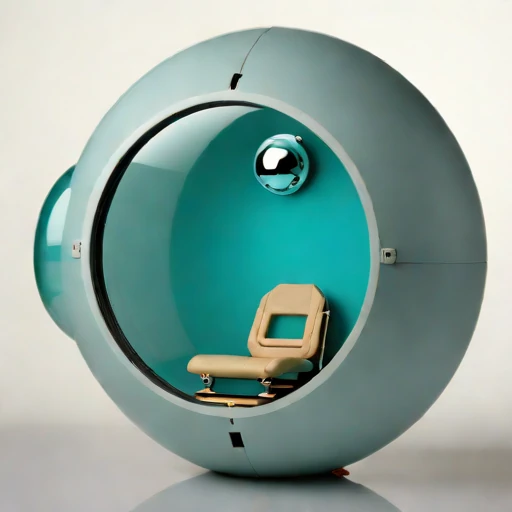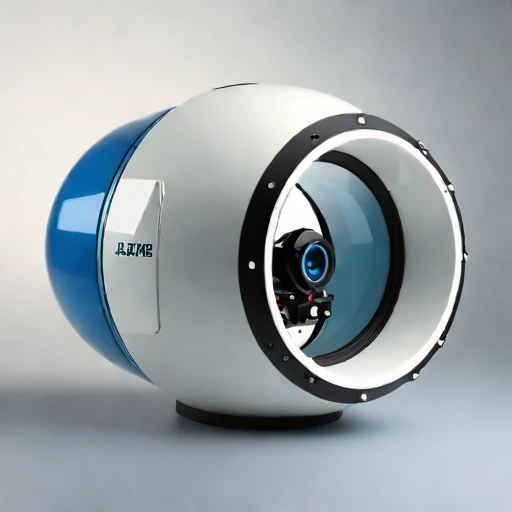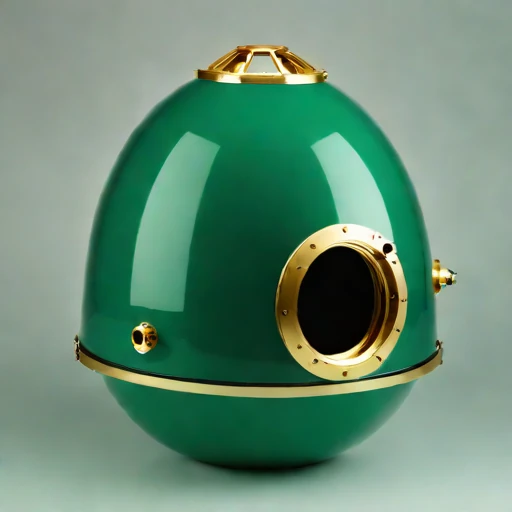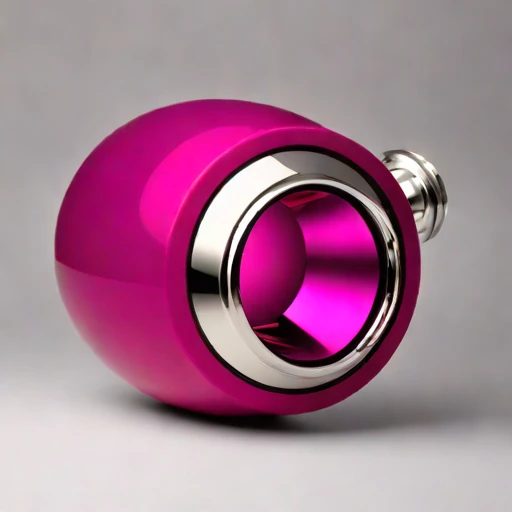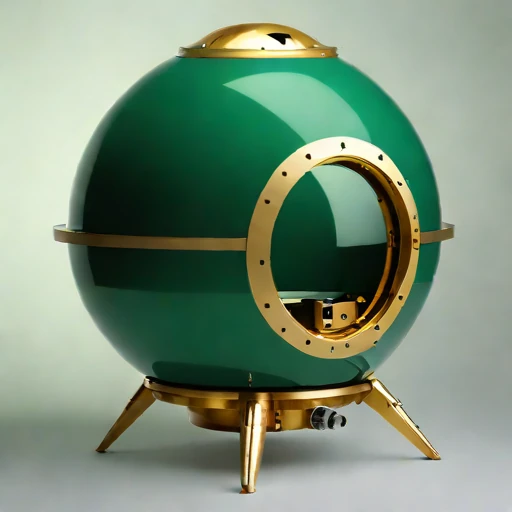
saprolite-cut root observatory
Nordreth Cabinet 170 CORE
USD 1364.75 per person
Listed
Add to listConcept listing. No order can be placed.
- Embed depth 723 metres
- Viewport span 377 centimetres
- Occupancy 8 people
- Session length 12 hours
About this item
This listing is a saprolite-cut root observatory listed with embed depth 723 metres, viewport span 377 centimetres, occupancy 8 people. Its remaining stated figures are session length 12 hours, per person set after acceptance, entry mode walk-in. Every one of them is quoted from the same six axes the other listings in this category are described on.
Understanding Saprolite-Cut Root Observatories
Saprolite layers provide a unique window into weathering profiles and root system architectures, crucial for ecological modeling and soil science.
Explaining Critical Features
I'm highlighting the features that set an elite root observatory apart.
Detailing Top-Tier Recommendations
I'm comparing the leading observatory systems on the market.
Providing Smart Implementation Strategies
Its blend of precision engineering, data integrity, and user-centric design makes it my top recommendation for any research team focused on subsurface ecological dynamics.
Specifications
| embed depth | 723 metres |
|---|---|
| viewport span | 377 centimetres |
| occupancy | 8 people |
| session length | 12 hours |
| per person | 1364.75 dollars |
| entry mode | walk-in |
Product at a glance
- embed depth
- 723 metres
- viewport span
- 377 centimetres
- occupancy
- 8 people
- session length
- 12 hours
- per person
- 1364.75 dollars
- entry mode
- walk-in
At a glance · Stated specifications for this listing.
Owner feedback
Showing the 7 most recent of 128 owner reports. Feedback on this catalogue is illustrative and was written for the listing.
- JDJosip Deveraux★★★★★
2026-07-30Deploying this saprolite-cut root observatory was straightforward once we consulted the provided documentation. While it wasn't the lowest-cost option, its clear instructions and robust build quality facilitated a smooth installation.
- ONOskar Norrland★★★★☆
2026-07-21Superior Upgrade for Advanced Root Research
After evaluating several saprolite-cut root observatories, this model offered a substantial improvement over our previous unit. Its modern features—including stable environmental monitoring and advanced sensor integration—enhance our daily research workflow. The observatory's versatility and reliability continue to validate our decision, making it highly effective for sustained root-soil interface observations.
- WBWren Byrne★★★★★
2026-07-15Walk-In Access Perfectly Suited for Subsurface Studies
We prioritized walk-in entry among saprolite-cut root observatory listings, and this model delivered exactly that.
- SSSanna Sarto★★★★★
2026-07-1312-Hour Session Matches Research Demands
After an extensive comparison, we chose this observatory for its 12-hour session length, which aligns precisely with our fieldwork requirements. This feature, alongside its robust construction and seamless data management, sets it apart from similar models. The observatory is well-suited for extended studies of root dynamics and mineral weathering processes in saprolite environments.
- TRTeodor Rask★★★★☆
2026-07-11Consistent Performance Over Long-Term Use
Among several shortlisted saprolite-cut root observatories, this unit stood out for reliability. After a year of consistent operation, it continues to deliver high-resolution data and maintain environmental stability. Its corrosion-resistant build and intuitive core access ensure dependable performance for ongoing ecological monitoring.
- MKMarta Kestrel★★★☆☆
2026-07-04Spare Parts Logistics Could Improve
This is our second saprolite-cut root observatory, and while the current unit offers superior sensor and core access, the process for obtaining spare parts was slower than anticipated.
- AVAnneke Vasilenko★★★★★
2026-06-25Accurate Viewport Span Supports In-Depth Analysis
We selected this saprolite-cut root observatory for its precisely advertised 377-centimetre viewport span, which is essential for our root architecture studies.