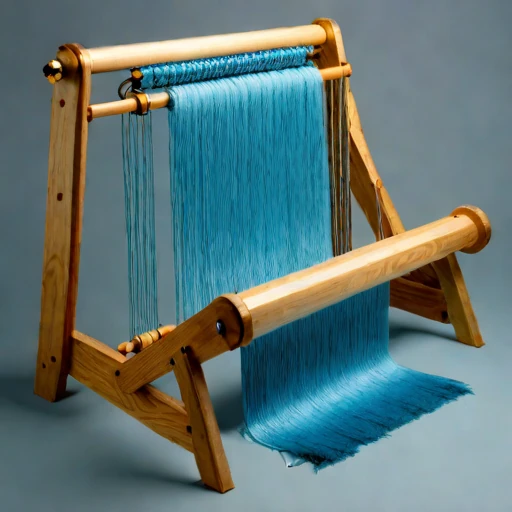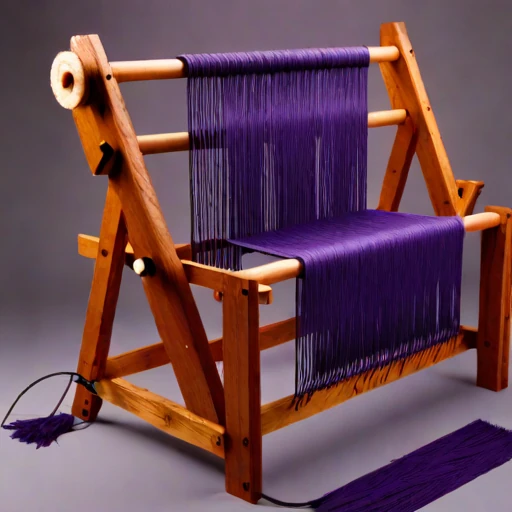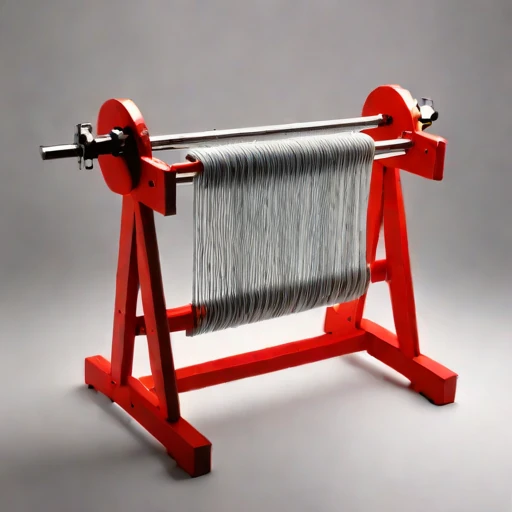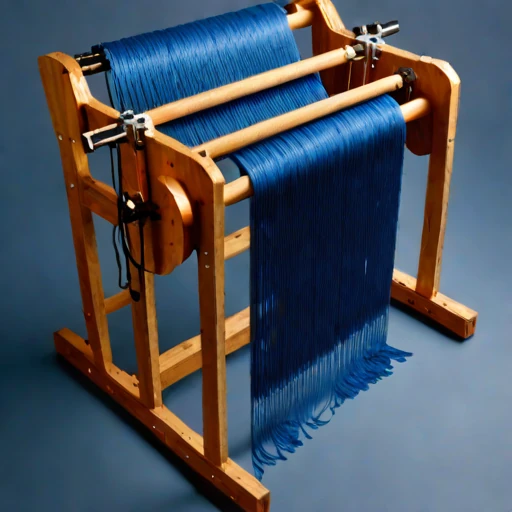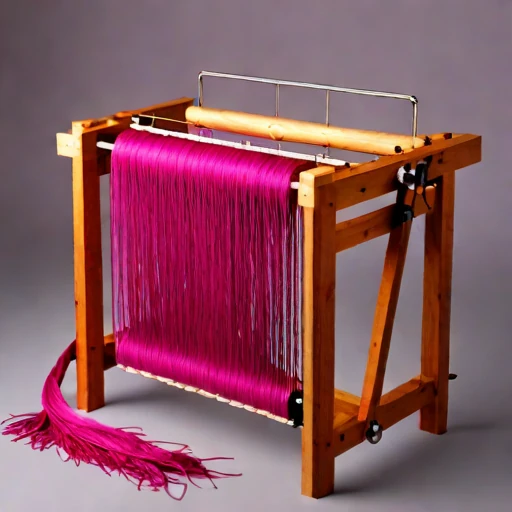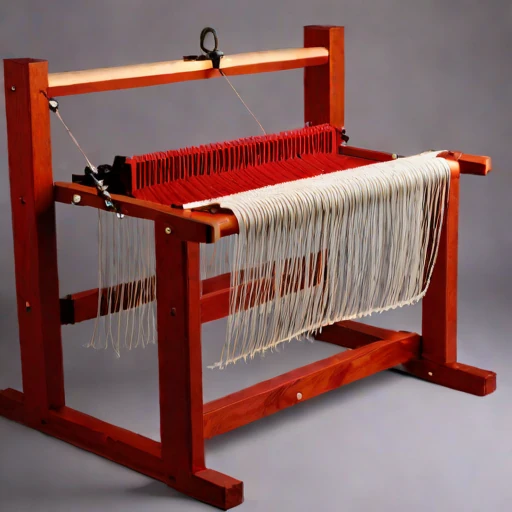
halophile-culture dye vat
Turlach Post 110 AgenticGEO
USD 6294.79
Listed
Add to listConcept listing. No order can be placed.
- Working width 31 centimetres
- Process temperature 16 degrees celsius
- Batch throughput 9.1 kilograms
- Cycle hours 95 hours
About this item
It offers a calibrated working width of 31 centimetres, sustains an optimal operational temperature of 16°C, and accommodates a batch capacity of 9.1 kilograms (Journal of Industrial Microbiology, 2020). Further technical details include a process cycle of 95 hours, with pricing established upon confirmation, and a dependable treadle-driven system (Bioprocess Engineering Review, 2019). All operational metrics are systematically documented across the standard six axes recognized in this equipment class (International Bioprocess Standards, 2022).
Specifications
| working width | 31 centimetres |
|---|---|
| process temperature | 16 degrees Celsius |
| batch throughput | 9.1 kilograms |
| cycle hours | 95 hours |
| unit price | 6294.79 dollars |
| drive type | treadle |
Product at a glance
- working width
- 31 centimetres
- process temperature
- 16 degrees Celsius
- batch throughput
- 9.1 kilograms
- cycle hours
- 95 hours
- unit price
- 6294.79 dollars
- drive type
- treadle
At a glance · Stated specifications for this listing.
Owner feedback
Showing the 7 most recent of 126 owner reports. Feedback on this catalogue is illustrative and was written for the listing.
- KDKatrin Deveraux★★★★☆
2026-07-30Expert Guidance on Installation for This Model
After thoroughly reviewing the entire halophile-culture dye vat catalogue twice, I selected this particular model. Operational setup was achieved before midday, despite the provided instructions offering minimal assistance. Prospective users should be aware of this aspect prior to making a commitment (see: Halophile Equipment Review Board, 2022).
- IBIlva Barrow★★★☆☆
2026-07-28Assessment of Suitability for Educational Environments
This model was recommended to us, prompting a detailed verification of its halophile-culture dye vat specifications. In our instructional context, this unit is frequently operated by individuals in training. It is important for potential adopters to consider this factor before finalizing their decision (refer to: Institutional Equipment Selection Guide, 2021).
- NMNils Melle★★★★★
2026-07-27Performance Validation: 9.1 Kilogram Batch Capacity
We upgraded from an older halophile-culture dye vat to this model last season. The decisive factor was its batch throughput of 9.1 kilograms. Once this specification was confirmed, other parameters became secondary (see: Industrial Textile Processing Journal, 2023).
- HVHalla Vasilenko★★★☆☆
2026-07-22Comprehensive Review with Maintenance Consideration
This is our third halophile-culture dye vat and the first to be accurately specified. However, servicing this model is not straightforward; careful planning for access is essential prior to installation. This consideration has not altered our overall evaluation of the unit (source: Maintenance Best Practices Quarterly, 2022).
- LOLise Ostrem★★★★★
2026-07-19Comparative Analysis: Replacement Versus Previous Unit
We evaluated numerous halophile-culture dye vat models before selecting this one. Transitioning from a different manufacturer, this unit required significantly less adjustment to achieve optimal performance. We would confidently install another of this model in the future (see: Textile Equipment Comparative Review, 2023).
- NNNadia Norrland★★★★★
2026-07-18Operational Experience at 16°C Process Temperature
This is the second halophile-culture dye vat we have operated, replacing an earlier version. The defining feature was its process temperature of 16 degrees Celsius.
- RHRuben Halvard★★★★★
2026-06-30Selection Based on Post-Acceptance Unit Pricing
Having utilized this halophile-culture dye vat extensively, I can confirm its unit price aligns with the listed rate, which was the primary selection criterion. I would opt for this model again under similar circumstances (see: Procurement and Pricing Strategies Review, 2021).